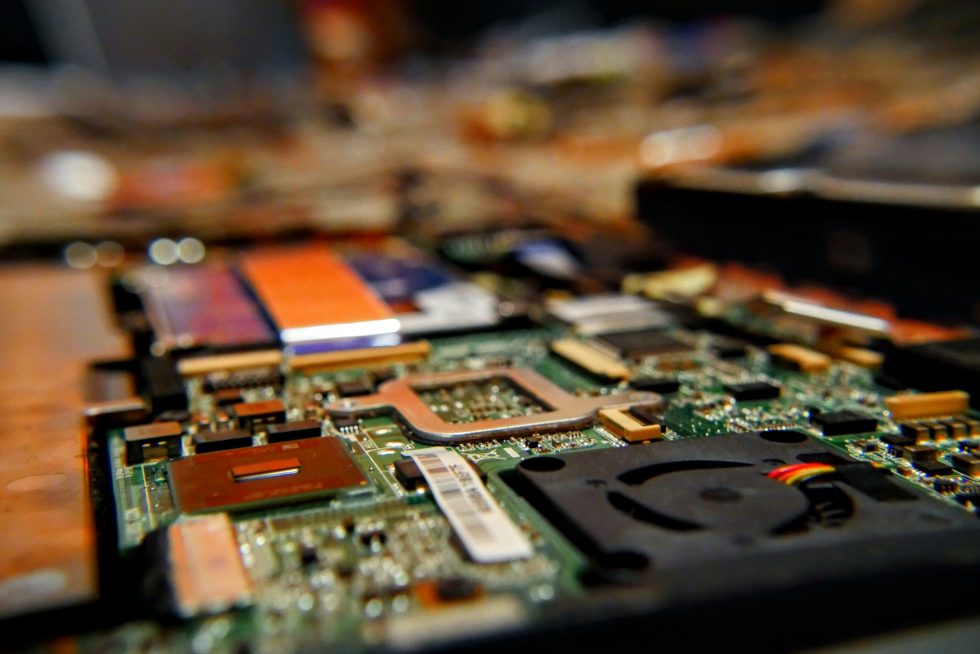
Counterfeit Components – Protecting Your PCBs from Component Fraud

There are many big businesses overseas that have to experience counterfeiting. Just like that electronic parts are also counterfeited by thieves to get huge sums of money in return. The sad reality of getting your PCBs counterfeited is that the user suffers the most after the product designers. It can lead to major troubling situations like affecting your electronic devices including mission-critical military systems like, thermal weapons sights, missile guidance systems, and aircraft.

Just like having fake money in pockets, there are counterfeited electronic components that are no less than to be labeled as fake and are circulating in the market. These components will not only destroy your system but also you’ll lose your money. Although there is no way to check whether a product is free from fraud, you can always have the option to reduce the risk of getting these fake parts to end up in your electronic devices.

Can Counterfeit Components Impact Me?

Most of the time, we do not realize that we have added a defective part or more like a counterfeit component in our device. You can only get to know what happened once you see your system failing brutally in front of your eyes.

To have counterfeit components in your electronic devices can impact your system severely. If you are a company with various projects running – you can lose thousands of dollars only to figure out what part of the device is counterfeited.

This is the reason, we have penned down these five simple ways that can assist you in reducing the risk of getting component fraud. You can easily identify and try to avoid counterfeit electronic components.

1. Source Components From Trusted Vendors

You need to look for trusted vendors to avoid investing in (or say losing money) getting counterfeit components. Ensure to search for a vendor after going through a proper vendor selection process to know the reputable suppliers around you. You can ask the vendors to provide their proven track record with assurance of best quality, reliability transparent sourcing practiced, and more. Give priority to vendors who are a perfect fit according to the approved vendor list and know how to meet the industry standards.

2. Inspect Packaging To Confirm Authenticity

You can look closely for the packaging these counterfeits come in. The thieves who sell such fraudulent products aren’t able to exactly copy the packaging of the original products. This can include spelling mistakes, logo misprinting, irregular serial numbers, or more. So, ensure to check and inspect the visuals of the packaging first to avoid buying these fake items.

3. Run Electrical And Software Tests

Sometimes, just inspecting the packaging of counterfeit components isn’t enough. You also need to make sure to have the necessary tests to figure out which product is fake. To detect whether an electronic part is counterfeited, you need to run software tests and electrical tests like measuring basic parameters including voltage in, voltage out, etc.

4. Perform An X-ray Inspection

An X-ray inspection will let you know the authenticity of an electrical component that you will invest your money in. You can look for various features like die structures, encapsulations, wire bonds, etc. These fake parts are inconsistent with their results, show irregularities, and often have severe defects in them.

5. Exercise Business Caution

You need to be cautious of the unrealistic pricing the vendors offer to you. If you get to see low-price tags on expensive electronic parts, that eventually means the vendor is just looting you by luring you with low prices. Use your intellect to differentiate between the original and fake products.

Final Thoughts

To protect your PCBs from Component fraud, and avoid investing in counterfeit components, follow the five easy ways we have mentioned in this article. Let us know which worked the best for you to identify the fake products. Lastly, it is crucial to stay updated with the latest details regarding counterfeit products – so you can avoid them as much as possible!

Advanced Stack-Up Techniques for Compact PCB Boards

Advanced stack-ups for PCB designs impact the compatibility and reliability of components and connections. Designers achieve high-quality PCB manufacturing by adopting these techniques. These advanced stack-ups not only increase the average life of PCB but also ensure high quality to meet customers’ expectations. Advanced inspection stack-ups like in-circuit testing (ICT) and automated optical inspection (AOI) rectify the defects by early diagnosis. In this blog, we will explore the significance of these techniques in maintaining high-quality PCB boards.

7 Essential Advanced Stack-Up Techniques For PCB Designs

Here, you can get ideas about the usability and cost-effectiveness of advanced stack-ups in designing and manufacturing PCB boards.

Layer Count Approach

Layer count stack-up includes the number of layers to halt the signal and routing errors. Correct configurations of layers enable quality of manufacturing within economical budgets.
Experts in PCB designs recommend four layers of double-sided boards for flexible routing. However, they sometimes recommend six layers to accommodate power distributions and high-speed signals because signal routing is perplexing.

High-Speed Signal Routing Approach

This advanced stack-up ensures a smooth data transmission flow by reducing signals in complex PCB designs. These methods implement differential pairing to match lengths. They trace the complementary signals and maintain signal integrity. You can use microstrip configurations to control electromagnetic interference(EMI) and optimize signal integrity at high speed.

Power Delivery Network Design Technique

This stack-up ensures a stable voltage supply and transparent electronic device operations. A good PDN design ensures the safety of the components. It maintains the power supply points and high voltage disruptions. It locates power ground planes at their proper places. Engineers can reduce loop impedance by suppressing noise and filtering soldering errors.

Thermal Management Approach

The useful life of your PCB boards determines how components and connections are aligned and soldered. Thermal management is the most significant imperative, as it monitors heat moderation. This approach constitutes pathways like thermal vias, heatsinks, and thermal pads. Heat absorption and prevention from the degradation of placed components can be achieved by using these pathways. Advanced thermal managing stack-up can halt heat generation by cooling down the components. The controlled temperature environment avoids heat dissipation and thermal resistance by reducing localized hotspots.

Signal Integrity Stack-up

This advanced stack-up halts signal disruptions by managing electromagnetic interference (EMI). Good signal routing includes signal termination techniques that reduce reflections and crosstalks. In addition, it incorporates ground plane shielding and simulation analysis. The pre-and post-testing of simulations facilitate the evaluation of signal integrity.

Advanced Material Selection Approach

This approach includes laminates, which prevent EMI from being high-speed. Low-loss laminates can avoid the risk of dielectric loss. You can have high-speed PCB boards if your PCB manufacturer uses advanced material selection. This stack-up prevents your PCB from overheating and safeguards the average life of placed components. It monitors thermal conductivity between components and interfaces.

Manufacturing and Assembly Stack-Ups

This stack-up requires compatibility of the manufacturing process with its layout of design.

These stack-ups include identifying debugging points using the built-in self-testing ( BIST) technique. Engineers optimize the layouts by employing copper weight and compartmentalization of components.

The implementation of this stack-up enhances component accessibility. This stack-up permits inspection and prevention techniques to test your PCB boards. Step-by-step inspections of components and connection compatibility reduce post-manufacturing failures. Advanced manufacturing stack-up includes In-circuit testing (ICT) and automated optical inspection (AOI) to detect joint soldering and contamination errors.

Conclusion

In the final analysis, Advanced Stacks Are Required to ensure PCB components’ quality, compatibility, and reliability. They detect errors before they occur and rectify them after the screening and testing phases. Seven essential advanced stack-ups, viability, and feasibility have been described. Thus, a good PCB board should be manufactured after employing these stack-ups for maintenance and quality assurance.

Understanding The Importance Of PCB Layout in Electronics Design

With each passing day, PCB layout keeps evolving with new developments and requirements in electronics. PCB problems like complexity in the dynamics hold great significance in determining the industry’s structure. A PCB, a printed circuit board, has the circuits and components in electronic designs like a canvas. This complex system follows the often-underestimated art and science of PCB layout.

The fundamental importance of PCB layout in electronics design is explored in its key role in shaping electronic device performance, reliability, and manufacturability. From the meticulous placement of components to the complexities of signal routing, let’s examine the critical aspects highlighting the significance of PCB layout in crafting innovative and robust electronic systems.

The Impact Of A PCB Layout On Electronic Design

A PCB layout is the arrangement of components, thoughtful routing of traces, and strategic consideration of power and thermal aspects. It directly impacts electronic performance and determines the overall functionality and reliability of the electronic system. The impact of PCB layout on electronic performance is profound, influencing electronic devices’ functionality, reliability, and efficiency.

Signal Integrity

Guaranteeing consistent signal trace lengths helps maintain signal integrity by preventing timing mismatches. This is crucial for high-speed digital signals to arrive at their destinations simultaneously, minimizing issues like signal skew.

On the other hand, maintaining proper impedance throughout signal traces is also vital. This prevents signal reflections and ensures that the signal arriving at its destination matches the impedance of the receiving component, reducing signal degradation.

However, thoughtful consideration of signal paths involves minimizing crosstalk between adjacent traces and avoiding parallel routing of high-speed and low-speed signals. This helps preserve signal quality, especially in environments where electromagnetic interference (EMI) can be a concern.

Power Distribution

Designing a robust power distribution network involves placing power planes strategically and using low-impedance paths to deliver power efficiently to all components. This minimizes voltage drops and ensures each component receives a stable power supply, preventing performance issues and potential damage.

Thermal Management

The placement of components on the PCB influences their heat dissipation. Grouping high-power components and considering their proximity to heat sinks or thermal vias helps manage temperature effectively.

At the same time, incorporating thermal vias allows heat to dissipate from the components to other layers or external heat sinks. Proper placement and design of these vias are essential to prevent overheating, which could otherwise lead to performance degradation or component failure.

For components that generate significant heat, heat sinks can be crucial—placing these sinks strategically and ensuring a good thermal interface with the components aids in dissipating heat efficiently, maintaining optimal operating temperatures.

Considerations for PCB Layout Designers

The following considerations are important for a PCB layout design process. Designers can enhance the overall performance and scalability of electronic devices. Having an approach helps a robust product and contributes to cost-effectiveness and efficiency throughout the production lifecycle.

Reliability and Robustness

It begins with strategic component placement, where designers aim to minimize thermal stress and enhance overall reliability. Placing components with consideration for heat-producing elements and thermal dissipation holds a balanced thermal profile across the board. Trace routing focuses on creating robust connections. This involves avoiding sharp angles, minimizing the use of vias, and optimizing trace widths to enhance signal integrity and prevent potential points of failure.

EMI/EMC Considerations

Electromagnetic interference (EMI) and electromagnetic compatibility (EMC) require implementing a solid ground plane, which provides a low-impedance return path. Designers must meticulously address signal integrity through shielding techniques and controlled impedance to reduce signal coupling and radiated emissions. Additionally, the strategic integration of filters and ferrite beads helps mitigate EMI issues at their source.

Design for Manufacturability

Efficient and cost-effective production relies on a PCB layout designed for manufacturability. One key aspect is optimizing component placement and orientation to align with automated assembly processes, minimizing the need for user intervention and diminishing the risk of errors during assembly. Using standardized and readily available components simplifies the supply chain, contributing to cost-effectiveness.

Moreover, designers should consider assembly testing during the design phase, incorporating test points and ensuring accessibility for automated testing equipment.

Wrap Up

The precision of PCB layout design wields a profound influence on electronic devices’ reliability, electromagnetic compatibility, and manufacturability. By navigating the intricacies of component placement, addressing EMI/EMC challenges, and embracing manufacturing efficiency, PCB layout designers become architects of not just circuits but resilient and seamlessly producible innovations that power the future of electronics.